1. Briefing & Concept
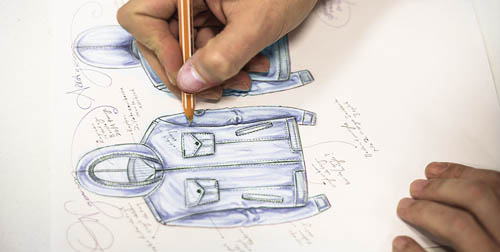
Goals, quantities, budget, timeline. Sketches/references or a tech pack are welcome.
- Material proposals & suitable weights
- CI requirements & branding options (embroidery/print/labels)
- Initial feasibility & risk assessment
Transparent, predictable, industrial: from the first sketch to delivery — with QC gates, clean documentation, and reliable timelines.
Goals, quantities, budget, timeline. Sketches/references or a tech pack are welcome.
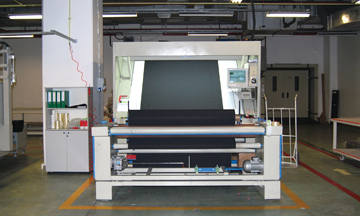
Incoming goods control per spec; climate-appropriate storage.
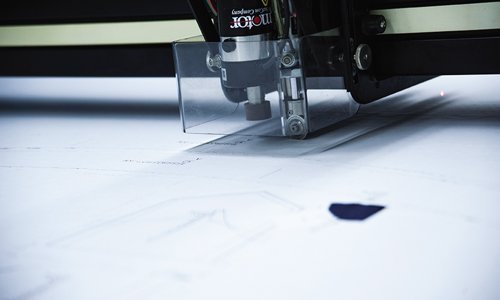
Markers via CAD, efficient fabric utilization, precise size runs.
Line setup by product: jersey, wovens, denim, workwear.
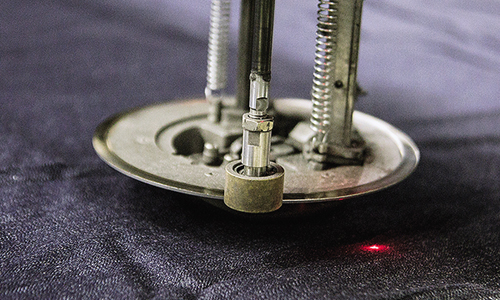
Depending on product: print, embroidery, wash effects, thermo-fixation.
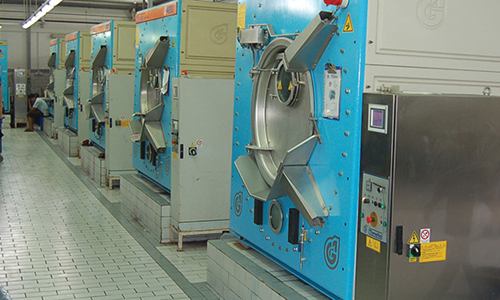
Final inspection & complete branding before packing.
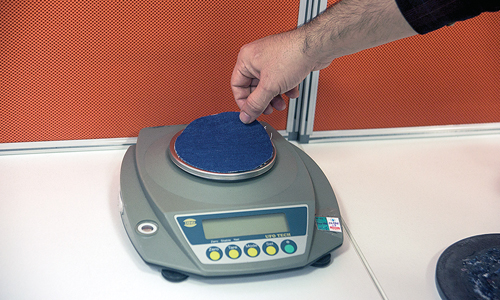
Export-ready: packed, palletized, and labeled.
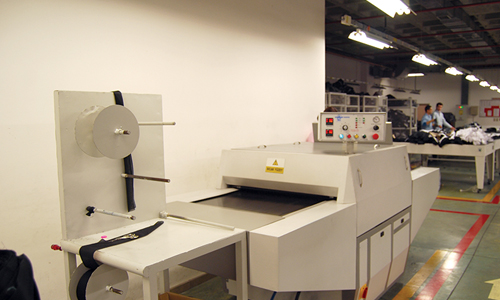
A defined process helps ensure requirements around fabric, fit, branding and construction do not get lost between project phases.
When sampling, approvals, production windows and QC gates are clearly structured, timing, costs and risks can be estimated much more accurately.
Documented QC gates, lots and production steps create the basis for repeatable quality. That becomes especially valuable when successful products need to be reordered or expanded into new colours and size runs.
Photos, sketches, measurements or tech packs help kick off the B2B textile manufacturing process with clarity.
Colours, size runs and projected quantities influence factory matching, material demand and downstream logistics.
Finishing, labels, packaging and requested inspections define workload, timing and the final cost level.
A strong production process in B2B textile manufacturing is not just an internal checklist. It is a real advantage for speed, quality and predictability. It keeps sample development, material approvals, fit, branding, quality control and bulk production aligned from one phase to the next. That reduces misunderstandings and gives buyers more confidence around lead times, pricing and reorder planning.
This becomes especially important in private label clothing and OEM apparel manufacturing, where decisions made early in development influence later cost and quality. A documented workflow helps prevent information loss and avoids situations where a technical issue only becomes visible at the end of the project.
That is why we use a transparent model that stays understandable from briefing and product definition through bulk production and logistics. Clients can see which approvals are pending, which checkpoints are active and where updates can still be implemented efficiently. This saves time, lowers risk and supports quality throughout the full production process.
For repeat programs, collections with multiple variants or broader product ranges, that structured approach becomes even more valuable.